When the pandemic forced training programs online almost overnight, it felt like a temporary fix — a bridge to get through an unprecedented moment. Years later, for many direct support professionals (DSPs) and home-based personal care (HPC) workers across Ohio, virtual-only training never went back. What started as an emergency accommodation has quietly become the default. And the people most affected by that shift are rarely the ones in the room when the decision gets made.
For families relying on DSPs and HPCs to provide safe, skilled, compassionate care for an adult with intellectual or developmental disabilities (IDD), this isn't an abstract workforce policy question. It shows up in real ways — in staff who seem undertrained for a crisis moment, in turnover that disrupts a hard-won routine, in a quiet sense that something about the preparation pipeline isn't quite working the way it should.
This piece takes an honest look at what virtual-only DODD training actually delivers, where the gaps show up in practice, and why this matters enormously for the turnover crisis already straining Ohio's direct care workforce.
1. What Virtual Training Can — and Can't — Teach
Virtual training has real strengths, and it would be unfair to pretend otherwise. It allows DSPs and HPCs to complete required DODD training on flexible schedules, often critical for a workforce that frequently juggles multiple jobs or family obligations. It standardizes content delivery, ensures consistent coverage of required material, and removes geographic barriers that once made in-person training sessions difficult to access in rural or underserved parts of the state.
But certain categories of skill simply resist screen-based learning. Physical care techniques — safe transfer and positioning, recognizing the early physical signs of a medical crisis, de-escalating a behavioral episode in real time — depend on hands-on practice, immediate feedback, and the ability to adjust technique in response to a trainer physically correcting your positioning or pacing. A video demonstration, however well produced, cannot replace a trainer saying "no, lower your hands, like this" while watching you attempt it.
Equally important are the skills that develop through unscripted interaction: reading subtle nonverbal cues, adjusting communication style in real time, building the kind of intuitive responsiveness that experienced caregivers describe as central to doing this work well. These capacities develop through supervised practice and mentorship far more than through structured online modules, no matter how well designed those modules are.
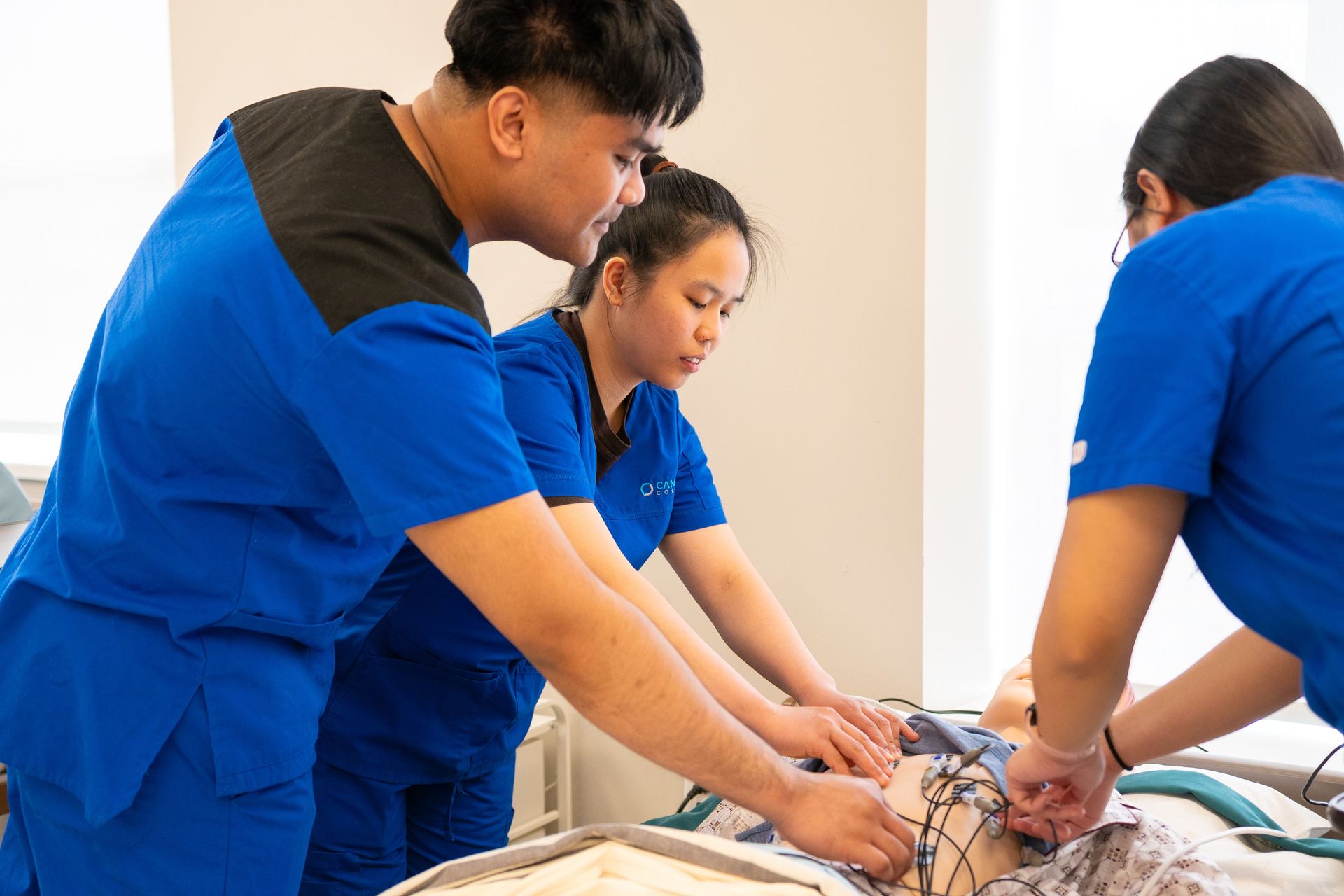
There's also a quieter cost: connection. DSPs who train together in person often build informal peer networks — people they can call when facing a difficult situation on the job, mentors who remember what it was like to be new. Purely virtual training programs frequently lose this relational infrastructure, leaving new workers more isolated precisely when they need support most.
2. The Connection to Turnover — and Why It Matters So Much
Ohio's direct care workforce has faced a persistent turnover crisis for years, and the reasons are well documented: low wages relative to the difficulty of the work, limited career advancement pathways, and the emotional and physical demands of caregiving. Training adequacy doesn't single-handedly solve this — but it is a meaningful, often overlooked piece of the puzzle.
New DSPs who feel genuinely unprepared for the realities of the job — who encounter a medical emergency or a significant behavioral crisis without having practiced a comparable scenario hands-on — often experience acute stress and self-doubt in their first weeks on the job. Workforce research consistently shows that early-tenure confidence and competence are strong predictors of whether a new hire stays in the role past the critical first ninety days, which is exactly when turnover rates tend to spike.
For families, this translates directly into instability. Every time a DSP leaves, a family often restarts the relationship-building process from scratch — re-explaining their loved one's specific needs, preferences, communication style, and triggers to someone new. For an individual with IDD who relies heavily on routine and familiar faces for emotional regulation, this churn isn't a minor inconvenience. It can meaningfully disrupt quality of life and, in some cases, trigger real behavioral and emotional setbacks.
The financial cost compounds the human one. Provider agencies bear significant recruitment and onboarding expenses each time a position turns over, and high turnover strains the entire system's capacity to serve waitlisted families. A training pipeline that contributes to early departures isn't just a training problem — it's a capacity problem affecting every family waiting for services.
3. What Better Training Could Look Like
The solution isn't necessarily abandoning virtual training altogether — flexibility remains genuinely valuable for a workforce balancing multiple demands. The more promising path is a hybrid model: virtual delivery for content that translates well to screens — policy knowledge, documentation requirements, foundational disability awareness — paired with structured, supervised in-person practice for hands-on physical care skills and crisis response scenarios.
Mentorship-based onboarding offers another meaningful improvement. Pairing new DSPs with experienced staff for a structured shadowing period, even a short one, can dramatically smooth the transition from training to independent practice. This approach also rebuilds some of the peer connection and informal knowledge transfer that purely virtual training environments tend to lose.
Some Ohio providers are already experimenting with this hybrid approach, recognizing that DODD's training requirements set a necessary floor, not necessarily a ceiling on what quality preparation should include. Providers willing to invest in supplemental in-person components, even modest ones, often report stronger early retention among new hires.

For families, the practical takeaway is this: when evaluating a provider or care arrangement, it's worth asking directly about onboarding and training structure. How much hands-on practice does a new DSP receive before working independently with your loved one? Is there a mentorship or shadowing period? These questions can offer real insight into whether a provider has invested in the kind of preparation that actually supports staff retention and, ultimately, consistency of care.
Building Toward Something Better
This isn't a problem with an easy fix, and it isn't fair to place the blame entirely on any single provider, training program, or policy. It's a systemic gap that's developed gradually, often through reasonable adaptations made under real constraints. But naming the gap clearly is the first step toward closing it — for the sake of the workers doing this essential work, and the families and individuals who depend on consistent, skilled care.
At Rising Heights Care, care quality and staff stability are central to what we're building, not an afterthought layered on at the end. We believe inclusive housing only works when it's paired with a care model that genuinely supports the people providing that care — through better preparation, real mentorship, and a structure designed to reduce the kind of turnover that disrupts the lives of the people we serve.
If you're a family member, a care professional, or simply someone who cares about this issue, we'd value hearing your perspective. Reach out at natalie@risingheights.org/440-364-2975 , or join our interest list to stay connected as we build a model of care designed around stability, not just compliance.