Rising Heights

Natalie Leek • April 3, 2024

Unlocking Affordable Living in Cleveland's Glenville: A Closer Look at The Davis Community
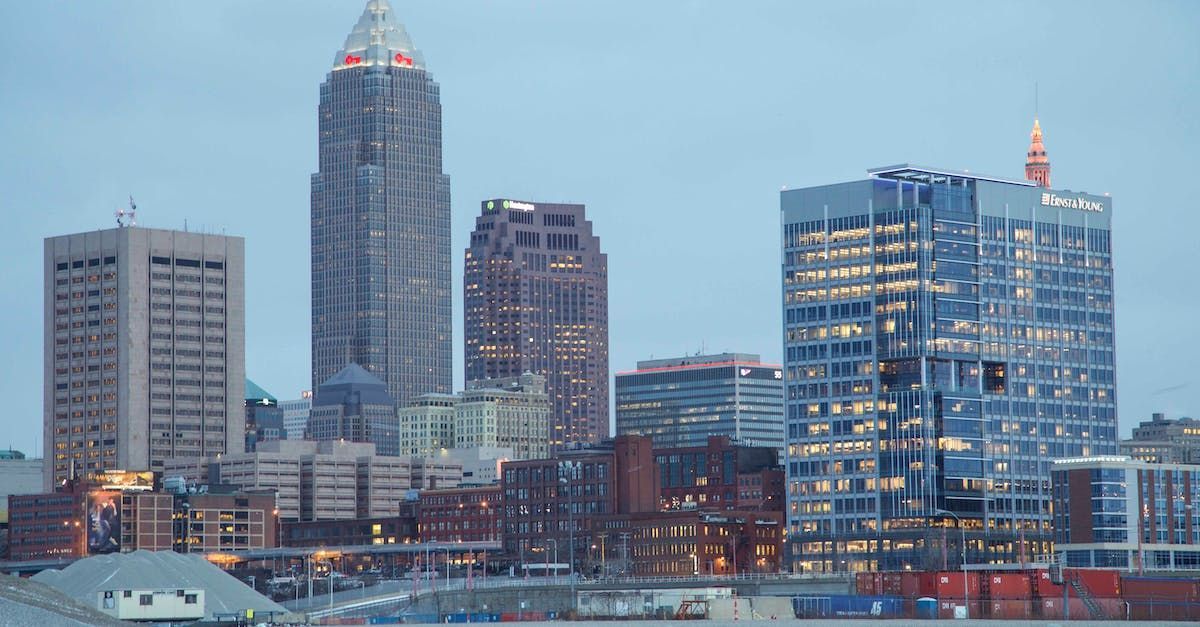
Cleveland's Glenville neighborhood recently celebrated the grand opening of The Davis, a pioneering affordable housing community designed to offer much more than a roof over the heads of its residents. This 52-unit marvel is not just a place to live but a beacon of hope and a testament to what community-centric development can achieve.

A New Chapter for Glenville

The Davis marks a significant milestone in the Glenville area, symbolizing progress and renewal. Beyond providing affordable housing, it aims to be a cornerstone for the community, offering a plethora of resources aimed at enriching the lives of its inhabitants, particularly students, by fostering an environment conducive to success and well-being.

Health and Wellness at the Forefront

Addressing the stark disparities in life expectancy within the region, The Davis has integrated a University Hospital Community Wellness Center into its framework. This initiative is a bold step towards bridging the health divide, offering residents access to healthy food options, educational resources, and a suite of wellness services. It's a holistic approach to health care, aimed at nurturing not just the body but the community spirit as well.

Cultivating Community Through Engagement

The Davis doesn't stop at health; it actively engages its residents through practical life skills sessions, like cooking demonstrations, underscoring the importance of healthy eating and living. These initiatives are part of a broader strategy to empower residents, providing them with the tools they need to thrive in every aspect of their lives.

Sparking Economic and Social Revitalization

The introduction of The Davis is seen as a catalyst for further economic development within Glenville. By attracting additional services like drugstores and grocery stores, it aims to create a dense, vibrant community space. This development is not just about building apartments; it's about creating a sense of place that resonates with the neighborhood's identity and aspirations.

A Model of Modern Community Development

The Davis stands as a shining example of what modern community development can look like. It’s not just about addressing immediate housing needs but about envisioning a future where every resident has the opportunity to lead a healthy, prosperous life. This project illustrates the powerful impact of collaborative efforts and shared goals, uniting a community towards a common vision of growth and prosperity.

As The Davis flourishes, it will undoubtedly inspire similar initiatives, not just in Cleveland but across the nation, demonstrating that with the right blend of vision, commitment, and community engagement, positive change is within reach. Glenville's journey is just beginning, and The Davis is leading the way towards a brighter, more inclusive future.



February 12, 2026
This Post was originally posted on SteppingStoneCommunities.org on November 15, 2018 ‍ And the tears still come… I’m not much of a crier. But when I tell our story, it is hard to hold back the tears. The problem is overwhelming. Literally, thousands of adults with intellectual and developmental disabilities (IDD) are facing an uncertain future – on in which they will find themselves completely alone. Our story? In Colorado alone, over 10,000 adults with disabilities are living with family caretakers who are over 60 years old. Our local communities are simply not ready for this tsunami of need that is heading our way. Thanks to medical advancements, people with disabilities are living longer… and that is good news. But what happens when their families are no longer there to care for them? The current options are not pretty. Institutional settings are not appropriate for these adults. Even host homes (think: “adult foster care”) are too restrictive for many. And worse, these government options are not available to most – there is a waiting list in the thousands for funding for residential assistance. The most recent Colorado Legislature identified as many as 2,800 individuals who need housing assistance immediately. The response: funding for 300 people. While this is better than nothing, it clearly is not going to put a dent in the enormous need. Complicating the situation is today’s housing market. Even people without disabilities are struggling to afford apartments in today’s market. Average rent is $1400 for a one-bedroom apartment. So what are the chances for someone who must live on a $750 disability check? Living in an “affordable” apartment complex with a roommate just does not provide the protection they need. Even the highest functioning of adults with IDD are vulnerable to exploitation of all kinds. Someone has to be loving and watching and caring. For all of these reasons and more, it is vital that we build the 60-unit apartment building and hopefully more buildings like it going forward. These buildings will be homes – a place to belong. Sharing the building with non-disabled adults and together managing their own place – this will truly be a safe and nurturing community. I have probably told this story several hundred times – to friends, family, large groups and the cashier at the grocery store. Some people’s eyes glaze over – but the vast majority here, learn and open their hearts.  As many times as I have told this story, I still get a lump in my throat and then come to tears – tears of love and of gratitude for everyone who is supporting this endeavor and who will join in our efforts over the next weeks and years. Source - https://www.trailheadcommunity.org/blog/parents-reality
By Natalie Leek April 3, 2024
A New Dawn in Cleveland's Fairfax Neighborhood: Affordable Housing Takes Center Stage
By Natalie Leek April 3, 2024
Celebrating Community Transformation: The New Dawn of Affordable Housing in Cleveland's Buckeye-Woodhill
By jim September 27, 2023
As dawn breaks and cities buzz into life, homes light up one by one. But, for many with I/DD (Intellectual and Developmental Disabilities), this basic human right remains an elusive dream. The prospect of finding a comfortable, safe home remains a challenge. What if there was a breakthrough in housing that not only addressed this need but did so by celebrating neurodiversity?
By diane August 3, 2023
Wow - my first blog for Front Porch – I’m excited and thrilled to be able to share some of my thoughts with you!
By howard July 27, 2023
By Howard Kuritzky
By jim July 4, 2023
As we celebrate the 4th of July and our freedoms in America, let’s not forget that there are still segments of our population who do not have the same opportunities for independence and living on their own.  Adults with intellectual and developmental disabilities face a housing crisis, with limited affordable and attainable options for independent living.  Front Porch Cohousing is proud to be leading the way in developing the first-of-its-kind inclusive cohousing communities, providing much-needed housing and independence to those who need it most.
By jim April 3, 2023
Neuro-inclusive cohousing consists of intentional communities that are designed to support and accommodate people with a wide range of neurological differences, such as autism spectrum disorder, dyslexia, Tourette syndrome, ADHD, and other developmental disabilities. These communities provide safe spaces for individuals who may have difficulty navigating traditional living environments due to their unique neurology and specific needs. By creating supportive structures within these communities, members can benefit from shared resources while still having access to the autonomy needed for personal growth. Neuro-inclusive cohousing has grown in popularity among those seeking a more inclusive lifestyle or looking for social opportunities tailored to their specific needs.
By James Richardson January 19, 2023
Locked Out: The Barriers Facing Neurodivergent Adults in their Search for Housing in Pennsylvania Chapter I: The Definition of Neurodivergence and Intellectual Developmental Disabilities Neurodivergence refers to the idea that there is a wide range of brain types and that individuals who think or process information differently are valuable and should be celebrated. This term is often used to describe individuals with conditions classified as neurodevelopmental disorders, such as autism, Down syndrome, and attention deficit hyperactivity disorder (ADHD).
Show More